Dancing Skeleton Boombox Sticker Embroidery Review
As an embroidery designer who spends half my life digitizing files and the other half troubleshooting why a stitch didn’t pull through on a textured fleece, I look at every new graphic with a critical eye. When Dancing Skeleton Boombox Sticker landed in my inbox, my first thought wasn’t about Halloween sales—it was about composition, color contrast, and how this specific character would translate from a flat screen to thread. This isn’t just another spooky clipart; it’s a graphic with genuine personality that demands careful consideration before it hits the hoop.
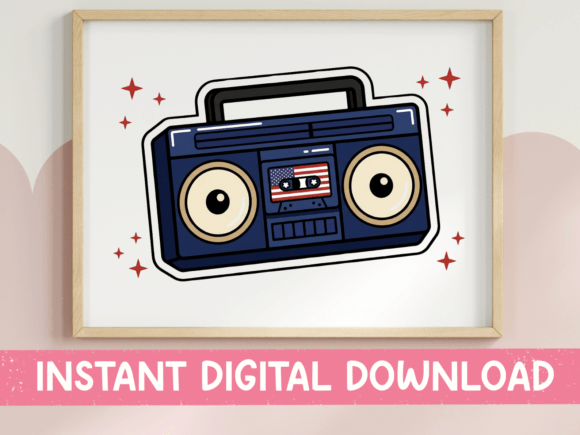
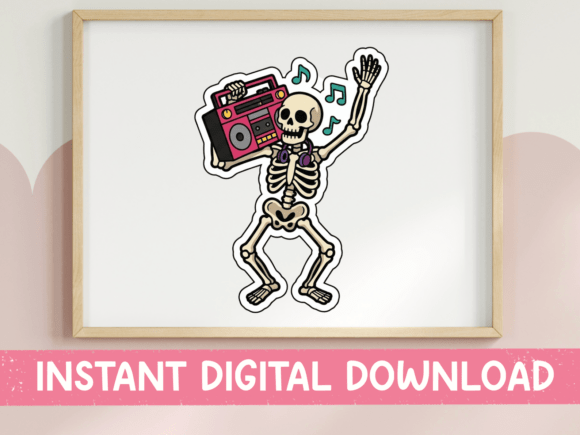
The design features a full skeleton dancing with one arm raised high and the other clutching a vibrant pink and red boombox, accented by floating teal music notes. Visually, it is energetic, playful, and undeniably fun. But for those of us creating custom apparel or selling handmade products, visual appeal is only half the battle. The real question is: does this design hold up when stitched?
First Impressions and Visual Personality
From a pure design standpoint, Dancing Skeleton Boombox Sticker has a strong silhouette. The dynamic pose—the raised arm, the angled body—suggests movement, which is excellent for capturing attention on a static product like a tote bag or a sweatshirt. The color palette is intentionally bold. The combination of pink, red, and teal against the stark white (or black) of the skeleton creates a high-contrast image that pops. In the world of machine embroidery design, contrast is king. If your thread colors don’t separate well from the fabric, the design loses its definition. Here, the potential for striking thread choices is clear.
The mood is celebratory rather than scary. This makes it versatile. It fits perfectly into holiday embroidery collections but also works as a year-round statement piece for music lovers. It avoids the cliché of a grim reaper or a gory horror theme, making it safe for broader audiences, including children’s items or lighthearted gifts. For an Etsy seller looking to diversify beyond standard spooky templates, this graphic offers a fresh angle that feels modern and trendy.
Real-World Application: Where Does It Shine?
I recently imagined using this design for a batch of custom embroidered patches intended for denim jackets. The sturdy nature of denim provides a stable base, allowing the intricate details of the boombox and the skeleton’s ribcage to shine without distortion. The design’s "sticker" aesthetic lends itself well to being treated as a focal point on a larger garment. It wouldn’t get lost in a busy pattern; it stands alone confidently.
Another practical scenario involves tote bag design. A canvas tote featuring this dancer skeleton is a gift item that appeals to teens and young adults alike. The playful vibe pairs exceptionally well with casual accessories. Similarly, for sweatshirt embroidery, placing this design on the chest or back of a heather grey hoodie would create a streetwear-inspired look that feels authentic rather than costume-y. The graphic’s clean lines suggest it would render beautifully in satin stitch for outlines and fill stitch for the colored blocks, provided the digitizer has paid attention to underlay stability.
It also holds promise for personalized gifts. Imagine a baby shower gift where the skeleton is holding a tiny version of the boombox, perhaps customized with a name. While the original description doesn’t specify customization capabilities, the central figure allows room for creative adaptation. For craft business owners, this design bridges the gap between seasonal novelty and evergreen appeal, a rare combination that can extend the lifespan of your inventory.
Technical Considerations and Potential Pitfalls
However, no design is without its challenges. As a reviewer, I must highlight where Dancing Skeleton Boombox Sticker requires caution. The presence of small details—such as the buttons on the boombox, the fingers of the skeleton, and the individual music notes—demands a high-quality digitization process. If the stitch density is too low, these elements may blur together. If it is too high, the fabric may pucker, especially on lightweight materials.
Avoid using this design on thin or stretchy fabrics without proper support. On a delicate jersey knit t-shirt, the weight of the fill stitches might cause the fabric to distort over time, particularly around the curved edges of the boombox. Always use a stabilizer appropriate for the fabric weight. For stretchy materials, a cut-away stabilizer is often necessary to maintain integrity after washing.
Textured fabrics present another hurdle. On a chunky chenille blanket or a rough burlap sack, the fine details of the music notes might disappear entirely. This design performs best on smooth-to-medium textures like cotton twill, polyester blends, or smooth canvas. Additionally, be mindful of dark fabrics. While the bright thread colors will stand out, ensure there is enough contrast between the background fabric and the darkest threads used in the skeleton or boombox shadows. Testing in a black-and-white mockup is a wise step to verify legibility.
Small Hoop Limitations
If you are working with limited hoop sizes, such as 4x4 inches, scaling down this design could compromise detail resolution. Tiny running stitches might become indistinguishable, turning the boombox into a muddy blob. It is crucial to check the recommended hoop size for the specific file you purchase. If the design is complex, sticking to a minimum 5x7 inch hoop is advisable to preserve the clarity of the skeleton’s pose and the boombox’s features.
Professional Advice for Makers and Sellers
Before adding Dancing Skeleton Boombox Sticker to your catalog or personal stash, follow these practical steps:
- Test on Scrap Fabric: Never run a new design directly onto your final product. Stitch it out on the exact fabric type you plan to sell or use. Inspect the results for puckering, thread breaks, or missing details.
- Check Thread Contrast: Evaluate different thread colorways. Does the teal pop against the chosen background? Is the pink distinct from the red? High-quality thread sheen can enhance the vibrancy of these colors significantly.
- Review Stitch Types: Ensure the digitizer has used appropriate stitch types. Satin stitch is ideal for outlining the skeleton and boombox for crisp edges, while fill stitch should be used for solid color areas. Running stitch can add texture to the music notes if done correctly.
- Confirm Licensing: If you intend to sell finished items, verify the commercial use rights of the digital embroidery file. Some graphics allow unlimited sales, while others restrict the number of units. Clear licensing protects your craft business from legal issues.
- Inspect Small Details: Zoom in on the digital preview. Are the music notes too small to stitch effectively? Can the skeleton’s joints be clearly defined? These micro-details make the difference between a amateur-looking patch and a professional-grade accessory.
Final Verdict
Dancing Skeleton Boombox Sticker is a standout graphic that brings energy and humor to any embroidery project. Its unique blend of music culture and playful Halloween aesthetics makes it a valuable asset for designers seeking to create memorable, shareable products. Whether you are crafting a unique embroidered patch for a client, designing a trendy caps collection, or producing festive kitchen towels, this design offers versatility and charm.
By approaching the digitization process with care—selecting the right stabilizer, testing thread contrasts, and respecting the limits of small hoop sizes—you can transform this digital graphic into a stunning physical reality. For the savvy maker, this design is not just a sticker; it is a conversation starter, a bestseller waiting to happen, and a testament to the power of thoughtful, detailed embroidery art.