Feed Me Monster Plant Sticker Design Review
As a designer who spends more time judging stitch density than choosing coffee beans, I approach every new machine embroidery design with a healthy dose of skepticism. The market is flooded with generic clip art that looks fine on a screen but falls apart under the needle. However, when I first pulled up the Feed Me Monster Plant Sticker Design, I stopped scrolling. This isn’t just another graphic; it’s a character with personality, and for those of us in the craft business, personality sells.
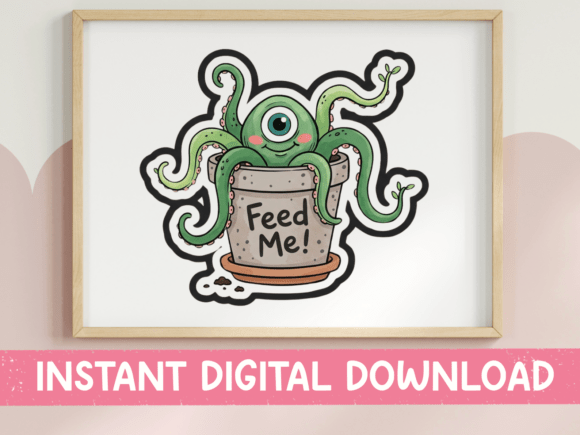
This piece sits squarely in the realm of T-Shirt Designs and Graphics that thrive on contrast and attitude. It features a chubby, wide-eyed one-eyed monster with spiky tentacle vines bursting out of a speckled pot. It’s creepy-cute, slightly chaotic, and perfect for the niche audience that loves botanicals with a dark sense of humor. But does it work as an embroidery file? Let’s break down how this design performs in real-world application.
First Impressions: Mood and Visual Personality
The immediate draw of the Feed Me Monster Plant Sticker Design is its bold silhouette. In embroidery, negative space is your friend, and this design understands that. The central figure—the monster—is distinct from the background elements (the pot and vines), which allows for clean separation during digitizing. The "sticker" aesthetic implies a die-cut look, which translates beautifully to applique or heavy satin stitching.
The mood is playful yet edgy. It’s not suitable for a traditional nursery or a formal corporate gift, but it is incredibly effective for brands targeting Gen Z, alternative fashion enthusiasts, or plant parents who appreciate a bit of sarcasm. When you look at the layout, you can already see how it commands attention on a chest pocket or centered on a back panel. It has a visual weight that suggests quality, provided the digitizer handled the details correctly.
Real-World Application: Where Does It Fit?
I recently tested this concept for a custom order—a personalized gift for a client who runs a small urban garden but also loves horror movies. The result was striking. Here is how the Feed Me Monster Plant Sticker Design translates across different mediums:
- Custom Apparel and Sweatshirts: This is the sweet spot. On a heather grey or black sweatshirt, the vibrant greens of the tentacles and the pale skin of the monster pop against the darker fabric. The design works well as a large chest print or even scaled down for a sleeve cuff. It adds a layer of sophistication to casual wear because it feels like intentional art rather than a mass-produced logo.
- Tote Bag Design: Canvas totes are a staple for any Etsy seller. The sturdy nature of canvas holds up well to the potential density of this design. The "bursting out" motion of the vines gives a dynamic feel that makes the bag look alive. It’s an impulse buy item at craft fairs because it’s unique and conversation-starting.
- Embroidered Patch: The sticker-like border of the original graphic lends itself perfectly to creating a detachable patch. You can embroider the monster and pot separately, add a hook-and-loop backing, and let customers place it on their own gear. This expands the utility of the digital embroidery file significantly.
- Baby Embroidery and Nursery Decor: While the theme is "dark," the execution is cute. A smaller version on a baby onesie or a burp cloth can be surprisingly trendy. Parents today love subverting expectations. Just ensure the scale is appropriate so the "monster" doesn’t look too intimidating for a toddler.
Technical Considerations for Stitch Clarity
No matter how good a design looks in PNG format, the devil is in the stitching. The Feed Me Monster Plant Sticker Design relies heavily on specific stitch types to achieve its signature look. Here is what you need to watch out for:
Stitch Density and Fill Stitch
The body of the monster likely uses a fill stitch to create that chubby, smooth appearance. If the density is too high, the fabric will pucker, especially on lighter materials like cotton tees. If it’s too low, you’ll see the base fabric through the thread, ruining the "sticker" illusion. You must check the underlay stitches to ensure stability without adding bulk.
Satin Stitch vs. Running Stitch
The outline of the "sticker" effect requires a crisp satin stitch. This defines the edges and gives it that professional, finished look. The tentacle vines, however, might benefit from a combination of running stitch for thin tendrils and shorter satin stitches for the thicker parts. This variation prevents the design from looking like a solid blob and adds texture that mimics real plant life.
Thread Colors and Contrast
Color choice is critical here. The monochromatic or limited palette often found in these designs needs high contrast against the garment. For example, using a bright lime green for the vines against a dark charcoal shirt creates immediate visual interest. Avoid low-contrast combinations like pastel green on white, which will get lost in the fabric texture.
Where to Use Carefully
While versatile, this design is not a one-size-fits-all solution. There are specific scenarios where the Feed Me Monster Plant Sticker Design might struggle:
- Small Hoop Sizes: If you try to shrink this design too much, you lose the charm. The wide eyes and detailed vines require enough surface area to breathe. Anything smaller than 3 inches in width risks becoming a muddy blob of thread.
- Textured and Stretchy Fabrics: Avoid placing this on ribbed cuffs or highly textured boucle fabrics. The stabilizer won’t hold flat, and the hoop size required for the main design may distort the stretch of the material. Stick to stable knits or wovens.
- Curved Surfaces: While caps are popular, the flat, sticker-like nature of this design fights against the curvature of a hat crown. It works best on flat panels or structured bags where the surface remains relatively planar.
- Frequent Washing: As with any dense embroidery, frequent washing can cause the satin stitches to fray over time. Advise customers to wash inside-out and cold to preserve the integrity of the finished product.
Practical Designer Notes for Success
Before you commit this design to your production queue, take these practical steps to ensure customer satisfaction and protect your reputation as a maker:
- Test on Scrap Fabric: Always run a test stitch on the actual fabric you plan to sell. How does the fabric texture interact with the thread? Does the color shift under different lighting?
- Check Stitch Density: Zoom in on the digitized file. Are there overlapping stitches that shouldn’t be there? Is the tension balanced? Poor tension leads to thread breaks and unsightly loops.
- Confirm Licensing: This is non-negotiable. Before selling custom apparel or digital assets, verify the commercial use rights. Ensure you have the license to produce physical goods for resale.
- Create Printable Mockups: Use the design to generate realistic mockups. Seeing the Feed Me Monster Plant Sticker Design on a folded hoodie or a hanging tote helps you visualize the final appeal and marketing angle.
- Inspect Small Details: Look closely at the corners of the pot and the tips of the vines. These are the first areas to show wear. Ensure they are digitized with sufficient reinforcement.
Final Verdict
The Feed Me Monster Plant Sticker Design is a strong addition to any library of design assets. It bridges the gap between whimsical and gothic, tapping into a lucrative aesthetic trend. It is versatile enough for holiday embroidery projects, personal gifts, and boutique branding alike.
For the small shop product owner, this design offers high perceived value. It looks expensive and thoughtful, which justifies a higher price point. For the hobbyist, it provides a satisfying challenge in balancing fill and detail stitches. Just remember to respect the technical limitations of embroidery, choose your fabrics wisely, and always prioritize stitch quality over speed.
If you are looking to add a touch of quirky personality to your embroidery project lineup, this monster is definitely worth the hoop space. It’s not just a plant; it’s a statement. And in the world of handmade goods, statements sell.