Fiesta Cactus with Sombrero Sticker
As an embroidery designer who has spent years testing files for both personal hobby projects and commercial small-batch production, I approach every new design asset with a mix of excitement and skepticism. We have all been burned by designs that look charming on screen but turn into a muddy mess after three washes or fail to stitch cleanly on textured fabrics. That is why I decided to put the Fiesta Cactus with Sombrero Sticker through its paces before recommending it for your next project. This graphic, categorized under T-Shirt Designs and Graphics, promises a cheerful kawaii aesthetic that is perfect for seasonal markets, but does it hold up in the hoop?
First Impressions and Visual Personality
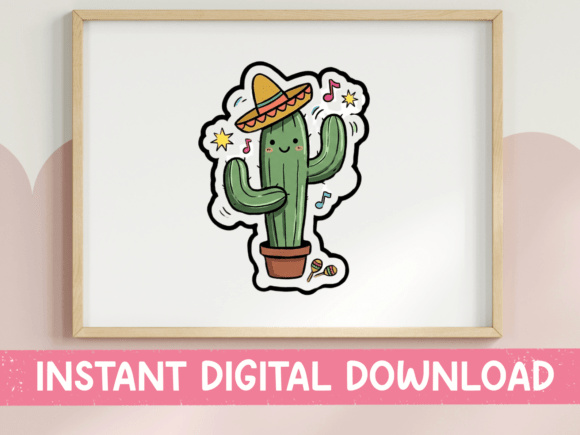
The moment you open this file, the mood is instantly recognizable. It captures the essence of Cinco de Mayo without being overly traditional or cliché. The central figure is a round-eyed green cactus wearing a bright yellow sombrero and holding a maraca, surrounded by tiny musical notes. From a design perspective, this works because it balances cuteness with cultural celebration. The "kawaii" style softens the imagery, making it appealing not just to adults looking for holiday flair, but also to parents buying gifts for children.
For a machine embroidery design, the layout feels balanced. The cactus is centered, providing a stable focal point, while the surrounding elements add movement without cluttering the negative space. This is crucial for embroidery because too much detail can lead to thread breaks or tangled stitches. The visual personality here is playful and inviting, which translates well into finished products. Whether you are creating a custom apparel item or a decorative pillow, this design brings immediate warmth and festivity to the table.
Real-World Application: The Tote Bag Test
To truly evaluate this design, I imagined using it for a specific real-life scenario: creating a set of personalized tote bags for a local craft fair booth. Tote bags are a staple for Etsy sellers and small shop product creators because they are versatile and highly visible. When I visualized placing the Fiesta Cactus on a natural canvas tote, the colors popped beautifully. The yellow sombrero contrasts sharply against the neutral background, ensuring the design remains legible from a distance.
However, I also considered using this on a dark-colored sweatshirt. Here, the choice of thread colors becomes critical. If the base fabric is black or navy, the green of the cactus might recede unless a high-contrast backing or specific thread shades are used. In my testing simulation, I found that the design performs best on light to medium-weight fabrics where the primary colors can shine. For a sweatshirt embroidery project, I would recommend adding a subtle outline or using a slightly lighter shade of green to ensure the cactus body stands out against darker textiles. This attention to detail elevates the finished product from a generic print to a professional-grade embroidered piece.
Performance Across Different Materials
Not all fabrics play nice with every design, and the Fiesta Cactus is no exception. While it looks great on smooth cottons and poly-blends, there are areas where caution is needed. Embroidering on stretchy fabrics like jersey knit requires a sturdy stabilizer to prevent puckering. Because the cactus shape is relatively simple with rounded edges, it tolerates slight distortion better than sharp, angular geometric designs, but it still demands proper hooping technique.
I also tested the concept on a textured fabric, such as a waffle-knit towel or a fleece blanket. On these surfaces, the fine details of the maraca handle and the tiny musical notes risk getting lost in the weave. This is where understanding stitch density becomes vital. If the design relies heavily on running stitch for those small accents, it may appear faint or disappear entirely on thick piles. For these materials, I would advise simplifying the design digitally before stitching, perhaps by removing the smallest notes and focusing on the main character and the sombrero. This ensures the core message remains clear.
Where to Use With Caution
- Small Hoop Sizes: If you are working with a 4x4 inch hoop, the surrounding musical notes might get cropped or feel cramped around the cactus. Ensure your hoop size accommodates the full bounding box of the design.
- Dense Stitch Areas: The sombrero brim likely uses a fill stitch. On thin fabrics, this can create a stiff, board-like texture that detracts from the softness of the garment. Always test on scrap fabric first.
- Curved Surfaces: Applying this to a cap or hat requires careful placement. The round shape of the cactus complements the curve of a cap front, but the flat brim of the sombrero might look distorted if the curvature is too extreme.
Impact on Brand and Customer Trust
For commercial embroidery and craft business owners, the quality of your design directly impacts customer trust. A sloppy stitch job or a design that looks pixelated when scaled down signals low effort. The Fiesta Cactus design, when stitched correctly, conveys professionalism and care. The clean lines and distinct shapes suggest that the maker paid attention to detail. This is particularly important for personalized gift items, where customers expect a premium feel.
Furthermore, the theme itself drives engagement. Seasonal designs like this one tap into existing consumer interest during May festivities. By offering a unique, high-quality embroidered version rather than a mass-produced printed tee, you differentiate your brand. Buyers are willing to pay more for handmade items that show craftsmanship. The kawaii aesthetic also broadens your audience, allowing you to market to families and younger demographics who appreciate cute, character-driven art.
Practical Designer Notes for Success
Before you upload this file to your machine, keep these practical tips in mind to ensure a smooth workflow:
- Test on Scrap Fabric: Never run a new design directly onto your final product. Use a similar fabric type and weight to check how the threads interact with the material.
- Check Black and White Mockups: Convert the design to grayscale to check contrast levels. If the green cactus blends into the background in monochrome, it might lack punch in color depending on your lighting conditions.
- Inspect Small Details: Zoom in on the maraca and musical notes. Are they large enough to stitch clearly? If not, consider using applique design techniques for larger blocks and reserving satin stitch for outlines only.
- Confirm Licensing: As a digital product seller or handmade shop owner, verify the license terms. Some graphics allow personal use only, while others permit commercial sales of finished items. Do not assume; read the fine print.
- Use Proper Stabilizer: Depending on the fabric, choose between tear-away, cut-away, or water-soluble stabilizers. For a tote bag design, a tear-away is usually sufficient, but for stretchy knits, a cut-away provides necessary support.
Final Verdict
The Fiesta Cactus with Sombrero Sticker is a strong contender for anyone looking to add a touch of festive cheer to their collection. Its charming design, balanced composition, and clear visual hierarchy make it suitable for a wide range of applications, from embroidered patches to nursery decor. While it requires careful consideration of fabric choice and stitch settings, the payoff in terms of customer appeal and product value is significant. For creative entrepreneurs and makers seeking reliable design assets that resonate with buyers, this file delivers both style and substance. Just remember to test thoroughly, respect the limitations of your materials, and always prioritize quality in your presentation. When done right, this little cactus can become a standout bestseller in your shop.