Hermit Crab Watercolor Beach Sticker Review
As a designer who spends half my life tweaking stitch densities and the other half worrying about whether a client’s vision is actually executable, I approach every new design file with a mix of excitement and skepticism. Today, I’m looking at the Hermit Crab Watercolor Beach Sticker. On paper, it sounds like a charming addition to any coastal collection. But does it hold up when it comes off the screen and onto the hoop? Can it survive the rigors of real-world production for an Etsy shop or a boutique brand? Let’s dive into the practical realities of using this machine embroidery design.
The First Impression: Mood and Visual Personality
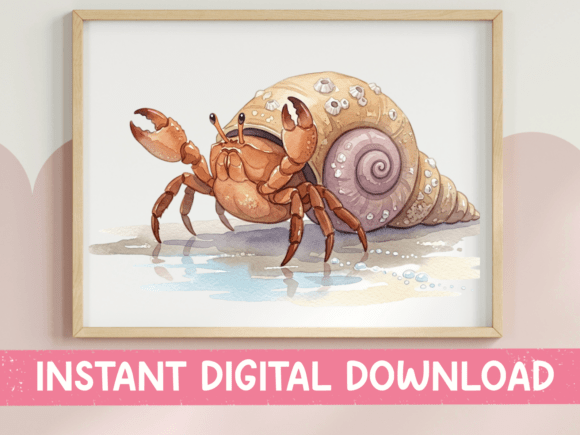
The moment you load the Hermit Crab Watercolor Beach Sticker, the aesthetic is immediately clear. It isn’t trying to be a rigid, geometric vector graphic; it embraces the soft, organic flow of watercolor art. The description highlights a rust-orange hermit crab with detailed textured legs and claws emerging from a tall spiral shell. This specific color palette—warm rust against potential cool blues or sandy neutrals—creates an instant sense of nostalgia and summer relaxation.
For designers, the "sticker" aspect of the title is crucial. It implies a clean, self-contained shape that works well as a focal point. It doesn’t feel like background noise. It feels like a statement piece. This makes it ideal for custom apparel where you want the eye to go straight to the chest area or the center back. The visual personality is playful yet sophisticated enough to appeal to adult collectors of coastal art, not just children. That broadens your market significantly.
Real-World Application: Where Does This Design Shine?
I’ve been thinking about how this embroidery project would translate to actual products. My first mental mockup was a heavy-weight cotton tote bag in a natural oatmeal color. Placing the rust-orange crab in the center creates a striking contrast that screams "summer essentials." It fits perfectly into the current trend of functional art bags used by beachgoers and book lovers alike.
Another strong use case is sweatshirt embroidery. Imagine a cream or light grey crewneck sweatshirt with this design placed slightly off-center on the front pocket area. The watercolor style softens the look, making it feel cozy and curated rather than mass-produced. It also translates beautifully to baby items. A onesie or a burp cloth featuring this gentle crab motif taps into the nursery decor market without being overly cutesy. It bridges the gap between personalized gift items and high-end boutique branding.
Furthermore, this design has strong potential for embroidered patch applications. If you are creating a set of patches for a denim jacket or a backpack, the distinct outline of the crab allows it to stand alone. It could easily be part of a larger narrative set involving seashells, starfish, or waves, serving as the anchor piece for a collection of design assets.
Technical Challenges and Where to Be Careful
However, no design is perfect, and as a reviewer, I need to highlight where this Hermit Crab Watercolor Beach Sticker might cause headaches during production. The primary concern lies in the level of detail described: "detailed textured legs and claws."
In watercolor art, texture is often achieved through subtle variations in opacity and brush strokes. In embroidery, these subtleties must be translated into stitch direction and density. If the design relies heavily on tiny running stitches to simulate texture, you risk thread breakage or a muddy appearance if the stitch density is too high. I strongly advise testing this on scrap fabric before committing to a final product. Pay close attention to the small details; if they are too fine, they may disappear entirely on certain fabrics.
Fabric choice is equally critical. Avoid using this on thin, stretchy fabrics like lightweight jersey unless you are using a high-quality cut-away stabilizer. The weight of the threads could distort the garment. Similarly, be cautious with dark fabrics. The rust-orange color needs sufficient contrast to pop. If you are embroidering on navy blue or black, ensure the thread colors are vibrant enough, or consider adding a backing layer to prevent show-through.
Another area requiring care is curved surfaces like caps or hats. While the sticker-like shape is generally forgiving, complex curves can distort circular or oval elements. If you plan to place this on a baseball cap, check the curvature of the hoop and ensure the design scales appropriately so the crab doesn’t look stretched.
Impact on Product Value and Customer Trust
From a business perspective, the quality of the execution directly impacts customer trust. A poorly digitized version of this crab—with loose threads, visible stabilizer, or misaligned satin stitches—will make even a beautiful design look cheap. Conversely, a clean, well-executed finish elevates the perceived value of the item.
This design supports a professional brand image because it feels intentional. It’s not just a clip-art crab slapped onto a shirt; it’s a piece of art. For Etsy sellers and small shop owners, this distinction is vital. Customers are willing to pay a premium for handmade goods that demonstrate craftsmanship. By ensuring your finished product looks polished, you reinforce the idea that this is a thoughtful, handcrafted item, which enhances buyer engagement and encourages repeat purchases.
Additionally, the coastal theme has year-round appeal. While it peaks in summer, it also serves as a great holiday embroidery option for beach-themed weddings, destination honeymoon gifts, or "just because" summer gifts. Its versatility allows you to rotate this digital embroidery file through your inventory throughout the year, maximizing its return on investment.
Practical Designer Notes for Success
- Test on Scrap Fabric: Always run a test stitch-out on the exact fabric type you plan to use. This reveals issues with tension, stability, and color contrast before you waste materials.
- Check Thread Colors: Compare your chosen thread colors against the original watercolor reference. Ensure the rust orange is rich and the shell tones are distinct. Use a black and white mockup to check contrast levels.
- Review Stitch Density: Look closely at the leg and claw areas. If the density seems excessive, consider simplifying the design in your digitizing software to reduce bulk and improve durability.
- Confirm Hoop Size: Ensure the design fits comfortably within your standard hoop sizes to avoid unnecessary trimming or re-hooping.
- Inspect Small Details: Zoom in on the digital file. Are the tiny details likely to get lost in the stitching process? If so, you may need to adjust the design for better clarity.
- Use Proper Stabilizer: For woven fabrics like cotton or linen, a tear-away stabilizer might suffice. For knits or stretchy materials, a cut-away stabilizer is non-negotiable to maintain shape over time.
- Verify Licensing: Before selling any commercial embroidery products, double-check the license terms associated with the Hermit Crab Watercolor Beach Sticker. Ensure you have the right to sell finished goods, especially if you are listing them on platforms like Etsy or Amazon Handmade.
Final Verdict
The Hermit Crab Watercolor Beach Sticker is a strong candidate for any designer looking to add a touch of coastal charm to their portfolio. Its watercolor aesthetic offers a unique alternative to traditional bold graphics, appealing to customers who appreciate subtlety and artistry. With careful attention to fabric selection, stitch density, and proper stabilization, this design can become a standout item in your craft business lineup. It’s versatile enough for tote bag design, personal gifts, and boutique merchandise, making it a valuable asset for both hobbyists and professional apparel decorators. Just remember: the magic is in the execution. Take the time to test, refine, and present it with care, and it will reward you with satisfied customers and beautiful finished products.