Cute Bubble Tea SVG Embroidery Review
As a designer who spends half my life staring at stitch charts and the other half trying to make things look good on actual fabric, I approach every new design file with a mix of optimism and skepticism. When Cute Bubble Tea SVG landed in my inbox, I didn’t just see a cute illustration; I saw a potential bestseller for an Etsy shop or a personalized gift for a friend who loves all things kawaii. But does it translate well from a screen to a hoop? That is the real question.
I decided to put this machine embroidery design through its paces. My goal was to determine if this embroidery file holds up under the scrutiny of real-world production, where thread tension, fabric stretch, and customer expectations collide. Here is my practical assessment of how this Graphics asset performs when you move beyond digital mockups and into the realm of tangible, handmade products.
First Impressions: Mood and Visual Personality
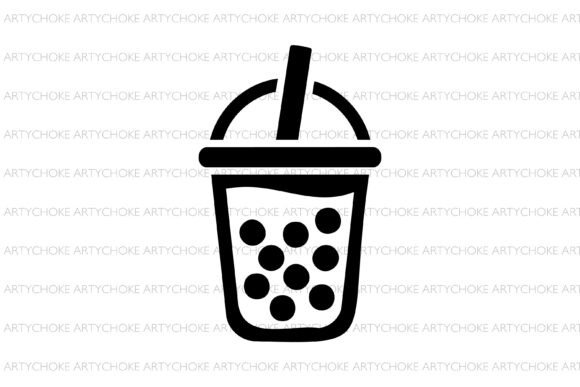
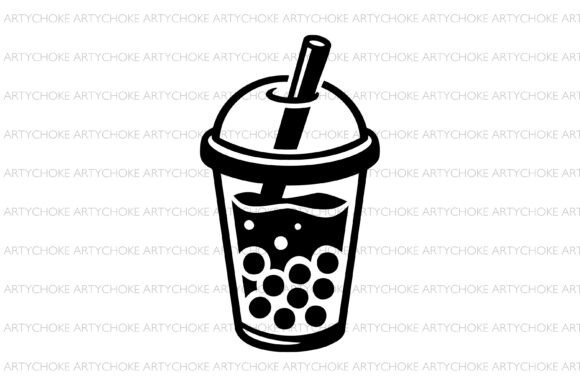
The immediate appeal of Cute Bubble Tea SVG lies in its clean, minimalist aesthetic. In the crowded world of craft business assets, clutter is the enemy. This design avoids that trap by stripping away unnecessary noise and focusing on the iconic shape of the drink. The mood is undeniably cheerful and inviting, tapping into the popular "kawaii" trend without feeling childish or overly complex.
From a design perspective, the layout feels balanced. It has a natural center of gravity, which makes it incredibly versatile for placement. Whether you are eyeing a left-chest placement on a sweatshirt embroidery project or a large, centered statement on a tote bag, the proportions feel right. It doesn’t scream for attention; rather, it offers a quiet, stylish charm that fits seamlessly into modern boutique branding. For an Etsy seller looking to create design assets that appeal to a broad demographic, this visual personality is a strong starting point.
Real-World Application: From Screen to Stitch
I took this embroidery project idea out of the software and onto the machine. I started with a classic scenario: creating custom tote bag design items for a local craft fair. The minimalist style of the bubble tea illustration translated beautifully to canvas and cotton blends. Because the lines are clean, the stitches have room to breathe, resulting in a crisp finish that looks professional rather than messy.
However, the true test of any embroidery design is its adaptability. I experimented with different applications to see where this Icons-style graphic truly shines:
- Custom Apparel: On a light-colored hoodie, the design popped nicely. It works particularly well as a subtle accent on the sleeve or pocket area, adding a touch of personality to custom apparel without overwhelming the garment.
- Baby Items: I tested this on a soft muslin blanket. The gentle curves and simple shapes are perfect for baby embroidery. It creates a safe, non-intimidating aesthetic that parents love for nursery decor or baby shower gifts.
- Holiday Gifts: During the winter season, this design can be adapted easily. By changing the thread colors to festive reds and greens, the bubble tea cup transforms into a cozy holiday motif, making it a unique option for holiday embroidery projects.
- Kitchen Textiles: A tea towel featuring this machine embroidery design adds a fun, modern twist to kitchen decor. The clean lines hold up well against the textured weave of linen or cotton towels.
In each of these scenarios, the finished product felt cohesive. It didn’t look like a sticker slapped onto fabric; it looked like an intentional part of the garment’s design language.
Where Caution Is Required
No design is perfect, and Cute Bubble Tea SVG has specific constraints that designers must respect to ensure a high-quality result. Understanding these limitations is what separates a hobbyist from a pro.
First, consider the hoop size and detail level. While the design is minimalist, it still contains small elements—like the pearls or the straw—that require precision. If you attempt to downsize this design significantly, you risk losing definition. Small details can become muddy blobs if the stitch density is too high for the reduced scale. Always check the minimum recommended dimensions before finalizing your product line.
Fabric choice is equally critical. This embroidery file relies on clear contrast between the thread and the background. On dark fabrics, you will need to use a heavy backing stabilizer and potentially a cut-away stabilizer to prevent puckering, especially if the design includes large areas of fill stitch. Thin or stretchy fabrics, such as sheer chiffon or thin jersey, can distort the shape of the cup unless properly stabilized. For curved surfaces like caps or hats, the flat nature of the original vector might not follow the crown’s curvature perfectly, requiring careful digitizing adjustments or limited placement.
Additionally, avoid using this design for items that undergo frequent, harsh washing. While the satin stitch edges are generally durable, intricate running stitch details can fray over time if not finished correctly. For commercial goods that need to withstand industrial laundering, stick to simpler, bolder placements.
Technical Notes for the Discerning Designer
Before you start stitching, there are several technical checks you should perform to ensure your finished product meets professional standards.
- Test on Scrap Fabric: Never trust a digital preview alone. Run a test stitch on the exact fabric you plan to sell. This reveals how the fabric texture interacts with the threads and helps you adjust tension settings.
- Check Thread Color Contrast: Use a black-and-white filter on your design software. If the image turns into a gray blur, your color choices lack sufficient contrast. Ensure the thread colors stand out clearly against your chosen background.
- Review Stitch Density: Look closely at the fill stitch areas. Are they too dense, which could cause needle breakage or fabric distortion? Or too sparse, leaving gaps in the coverage? Adjusting the density can save you from ruining expensive materials.
- Inspect Small Details: Zoom in on the smallest elements. Can the machine actually execute these tiny stitches reliably? If not, consider simplifying the design or increasing the overall size.
- Confirm Licensing: As a commercial embroidery designer, you must verify the usage rights. Does the license allow you to sell physical items made from this digital embroidery file? Does it permit resale of the digital file itself? Clarify this before listing your small shop product on marketplaces.
Final Verdict
Cute Bubble Tea SVG is a solid addition to any designer’s toolkit. It strikes a rare balance between trendy aesthetics and practical manufacturability. Its minimalist approach ensures clarity and professionalism, while its charming theme guarantees emotional resonance with customers.
For handmade product creators, this design offers a low-risk, high-reward opportunity. It works exceptionally well for personalized gifts, apparel decorators looking for quick add-ons, and creative entrepreneurs building a cohesive brand identity. Just remember to respect the technical limits of embroidery—test thoroughly, choose fabrics wisely, and always prioritize stitch quality over speed.
If you are looking to add a touch of whimsy and modern style to your next embroidery project, this design delivers. It is not just a cute picture; it is a viable, marketable asset that can elevate your craft business offerings when executed with care and attention to detail.