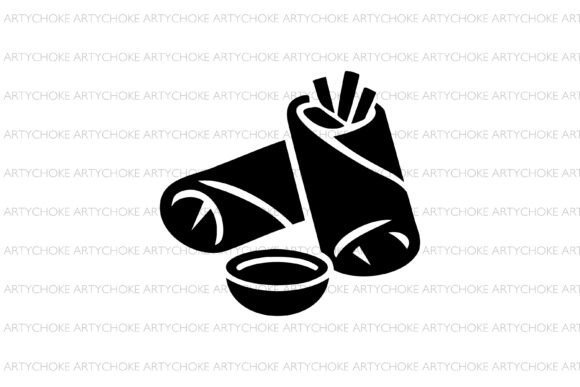
Spring Roll SVG Embroidery Review
As a designer who spends more time staring at stitch lines and fabric swatches than actually eating, I approach every new file with a mix of skepticism and curiosity. When Spring Roll SVG landed in my inbox, my first thought wasn’t about the food itself, but about how it would translate from a clean vector into thread. We have all seen cute food illustrations that look adorable on screen but turn into muddy, unrecognizable blobs once they hit the hoop. This minimalist spring roll illustration in a cute kawaii style promises to be different, claiming to be perfect for Cricut crafts, stickers, sublimation, scrapbooking, and printable projects. But does it hold up when we are talking about real-world embroidery?
I decided to put this design through its paces. The goal was not just to see if it stitched out, but to evaluate whether it adds value to a handmade product line. Whether you are an Etsy seller looking for a unique listing or a hobbyist wanting to make a personalized gift, the difference between a good digital asset and a great finished product lies in the details. Here is my practical breakdown of using this graphic in your next embroidery project.
First Impressions and Visual Personality
The moment you open the file, the aesthetic is immediately clear. It belongs firmly in the Icons category of Graphics, stripped of unnecessary clutter. The kawaii style gives it a friendly, approachable personality that works exceptionally well for niche markets like Asian cuisine lovers, bento box enthusiasts, or anyone who appreciates cute stationery. The bold lines and simple shapes suggest that this design has been optimized for clarity, which is the single most important factor in successful machine embroidery.
In terms of mood, this design feels light, cheerful, and modern. It avoids the overly complex shading that often plagues food-themed embroidery files. Instead, it relies on strong outlines and minimal internal detail. For a designer, this is a relief. It means less threading breaks, fewer color changes, and a cleaner final look. It feels like a design that fits naturally into a collection of kitchen-themed items or a playful cafe branding package.
Real-World Application: From Screen to Stitch
To truly test the viability of this embroidery file, I imagined placing it on several common products. The first scenario that came to mind was a custom embroidered tote bag design for a local farmers market or a small pop-up shop. A canvas tote provides a sturdy, flat surface that is ideal for this kind of icon. Because the Spring Roll SVG is minimalist, it stands out boldly against the natural beige or black cotton of a tote bag without getting lost in the weave.
I also considered its potential as an embroidered patch for denim jackets or backpacks. The clean edges of the kawaii style lend themselves well to applique techniques or tight satin stitches around the perimeter. If used as a decorative accent on a sweatshirt embroidery piece, perhaps placed near a pocket or on the sleeve, it adds a touch of whimsy without overwhelming the garment. It is the kind of detail that makes a customer stop and smile, asking, "Where did you get that?"—which is exactly what you want for your craft business.
Another strong use case is baby embroidery. Think of a soft muslin burp cloth or a tiny onesie. The gentle, rounded shapes of the kawaii spring roll are safe and appealing for nursery decor or baby gifts. However, because babies' skin is sensitive, the simplicity of the design reduces the risk of irritation compared to dense, heavy stitching patterns. It proves that sometimes less is literally more when it comes to comfort and wearability.
Apparel and Home Decor Versatility
Beyond bags and baby items, this design shines in home textiles. Imagine it on a tea towel or a kitchen apron. These are high-traffic items that see frequent washing, so durability matters. The bold nature of the Spring Roll SVG suggests it will withstand the abrasion of laundry better than delicate, intricate designs. It also fits perfectly into holiday embroidery collections, serving as a fun, non-traditional addition to Christmas stockings or Easter baskets for foodies.
For the digital product seller, this graphic is a goldmine. As a digital embroidery file, it can be part of a bundle of Asian food icons, increasing the perceived value of your shop. It serves as an excellent printable mockup preview, allowing customers to visualize the design before purchasing. Its versatility across sublimation and sticker formats means you can cross-promote it, creating a cohesive brand identity across multiple product types.
Technical Considerations and Pitfalls
While the design is promising, no file is perfect for every situation. There are specific areas where you need to exercise caution. First, consider the hoop size. If you attempt to stitch this on a very small area, such as the cuff of a sock or a tiny logo on a cap, the kawaii features might become indistinguishable. Small details, especially the eyes or fillings inside the roll, can merge together if the scale is too small. Always check the minimum recommended dimensions provided by the creator.
Fabric texture plays a huge role here. On highly textured fabrics like chunky knits or raw linen, the clean lines of the Spring Roll SVG may get distorted. The uneven surface can cause the stitch density to vary, leading to puckering or skipped stitches. Similarly, thin or stretchy fabrics require careful stabilization. Without a proper stabilizer, even a simple design like this can shift during the stitching process, ruining the symmetry of the cute character.
Dense stitch areas should be monitored. While the description highlights a "bold easy-to-cut" style, you must verify the actual stitch count and density in your software. If the fill stitch is too aggressive, it might create a stiff, plastic-like feel on the finished product, which is undesirable for wearable items. Test the design in black and white mockups to ensure that the contrast between the outline and any internal fills is sufficient for your chosen thread colors.
Practical Designer Notes for Success
Before you rush to produce a batch of custom apparel or list this on your Etsy shop, follow these essential steps:
- Test on Scrap Fabric: Never trust a file blindly. Stitch it out on the exact fabric you plan to use. This reveals issues with thread tension, fabric distortion, or color clash that you cannot see on a computer screen.
- Check Thread Color Contrast: The kawaii style relies on clear definition. Ensure your thread colors provide enough contrast against the fabric. Dark threads on dark fabric will disappear; light threads on light fabric may lack punch.
- Review Stitch Density: Use your embroidery software to inspect the stitch paths. Look for overlapping stitches or excessive density that could cause needle breakage or fabric damage.
- Confirm Licensing: This is critical for commercial use. Verify whether you have the right to sell finished products made with this design. Some design assets are for personal use only, while others allow commercial sales with attribution. Ignoring this can lead to legal trouble.
- Inspect Small Details: Zoom in on the digital file. Are the corners sharp? Is the kawaii expression clear? If the source file is low resolution, the embroidery result will suffer.
Ultimately, the Spring Roll SVG is a smart, efficient choice for designers who value clarity and charm. It respects the limitations of the medium while maximizing visual appeal. By understanding its strengths and respecting its technical requirements, you can transform this simple graphic into a professional, beloved handmade product that resonates with customers. Whether you are creating a one-off gift or scaling up a boutique brand, this design offers a reliable foundation for creativity.