Hello Pumpkin Raccoon SVG Embroidery Review
As an embroidery designer who spends half my life staring at stitch density charts and the other half trying to explain to clients why their logo doesn’t look like a muddy blob after digitizing, I have developed a very specific set of standards. When a new design drops into my feed—especially one labeled as T-Shirt Designs or Graphics that claims to be ready for production—I don’t just click “buy.” I dissect it. I think about how it will translate from a flat vector or raster image into thread. I think about the customer holding the finished product.
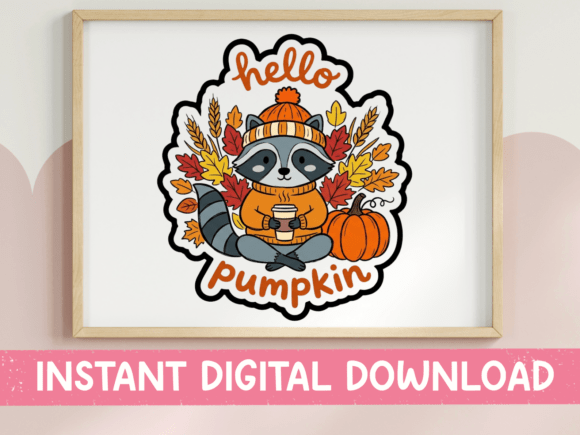
This is where the Hello Pumpkin Raccoon SVG comes in. On paper, it sounds like another generic autumn clipart file. But when you look closer at the composition described—an adorable raccoon in an orange striped pom-pom hat, clutching a steaming coffee cup with both paws, sitting next to a plump pumpkin—the potential for a high-quality embroidery project becomes clear. Below is my practical review of this design, written from the perspective of someone who needs these assets to work flawlessly for real-world applications.
First Impressions: Mood and Marketability
The immediate appeal of this design lies in its narrative. It isn’t just a raccoon; it’s a character. In the world of handmade products, character-driven designs consistently outperform abstract shapes because they evoke an emotional response. The combination of the cozy sweater, the hot coffee, and the seasonal pumpkin creates a warm, inviting mood that screams “fall comfort.”
For an Etsy seller or a small shop owner, this is gold. It taps directly into the current trend of “cottagecore” and cozy aesthetics that dominate social media feeds during Q4. The visual personality here is playful yet polished. It feels approachable, which is exactly what you want when you are trying to sell a $30 embroidered sweatshirt or a personalized baby gift. The bold elements mentioned in the description suggest that the design has enough visual weight to stand out on fabric without looking cluttered, provided the digitization respects the original art direction.
Real-World Application: Where This Design Shines
Let’s talk about utility. A beautiful design is useless if it doesn’t fit a viable product category. Based on the scale implied by a raccoon holding a coffee cup, this machine embroidery design is versatile but has clear sweet spots.
- Sweatshirt Embroidery: This is the primary use case. The chunky nature of the raccoon’s sweater and the pom-pom hat translates beautifully to fill stitch techniques. On a heather grey or cream crewneck, this design would pop. It adds texture and depth that printing simply cannot match.
- Tote Bag Design: Canvas totes are a staple for craft fairs. This design works well as a central chest print or even centered on the front panel of a tote. The coffee cup detail serves as a great focal point for conversation starters.
- Baby Embroidery: The softness of the theme makes it suitable for baby onesies or burp cloths. However, size matters here. If digitized correctly, it can be scaled down to fit a 5x7 hoop comfortably on a onesie chest area.
- Kitchen Towels and Aprons: The rustic, harvest vibe fits perfectly in a kitchen setting. An embroidered patch on a linen apron featuring this raccoon adds a touch of professional charm for boutique baking businesses.
I also see potential in personalized gifts. Imagine a custom mug paired with a matching embroidered coaster or a small pouch. The cross-selling opportunity here is significant for any craft business looking to increase average order value.
Technical Challenges and Areas for Caution
Not every graphic is created equal, and assuming this digital embroidery file is a direct trace of a sticker can lead to stitching nightmares. Here is where I urge designers to be careful.
Small Details and Stitch Density: The description mentions a “steaming coffee cup” and “orange striped pom pom hat.” Stripes in embroidery are tricky. If these are rendered as thin lines, they may disappear into the fabric texture or cause puckering. You need to ensure the stitch density is appropriate for the fabric. Thin stripes might need to be simplified into broader color blocks or replaced with a different stitch type to maintain clarity. Similarly, the steam from the coffee cup—if it is too fine—might not hold up against the weight of the raccoon’s body.
Fabric Compatibility: Avoid using this design on highly textured fabrics like heavy bouclé wool or extremely thin, slippery silks. The stabilizer requirements for this level of detail mean you need a stable base. Stretchy fabrics, such as standard jersey knites used for t-shirts, require a tear-away or cut-away stabilizer to prevent the design from distorting. If you are putting this on a cap, be aware that curved surfaces can stretch the design unevenly, potentially warping the raccoon’s face.
Color Contrast: The vibrant autumn palette (oranges, browns) requires careful thread selection. On dark fabrics, you will likely need a dense underlay to prevent the lighter threads from showing through. Always test your thread colors against your actual fabric swatch before committing to a large run.
Design Notes for the Professional Digitizer
If you are planning to use this asset for commercial purposes, here is my checklist for ensuring a professional finish:
- Hoop Size Confirmation: Verify the maximum dimensions of the design. Ensure it fits within your most common hoop sizes (typically 5x7 or 6x10 inches). If the design is larger than your machine’s capability, you will need to split it, which can ruin the aesthetic.
- Black and White Mockup: Before sewing, convert the design to black and white in your software. This helps you evaluate the balance of positive and negative space. If the design looks too sparse or too crowded in monochrome, it will likely struggle in color.
- Stabilizer Selection: For custom apparel like sweatshirts, a medium-weight cut-away stabilizer is usually best to provide long-term support. For woven items like tote bags, a tear-away might suffice, but test for pull-out damage first.
- Licensing Check: Since this is marketed as an SVG/Graphic, verify the license terms. Does it allow for commercial use of the finished product? Can you sell unlimited units? Never assume; check the provider’s terms to protect your brand consistency and legal standing.
- Scrap Fabric Test: Always run a test stitch on a scrap piece of the exact fabric you plan to use. This reveals issues with thread tension, needle size, and fabric puckering that you won’t see in a digital preview.
Final Verdict
The Hello Pumpkin Raccoon SVG is more than just a cute image; it is a commercially viable asset for the right market. It hits the sweet spot between seasonal relevance and evergreen cuteness. For apparel decorators and digital product sellers, it offers a strong foundation for creating high-value items. The key to success lies in the execution. By paying attention to stitch density, fabric choice, and proper stabilization, you can transform this graphic into a stunning embroidered patch or garment that customers will love.
It is a solid addition to any fall collection, provided you treat it with the technical respect it deserves. If you are looking to add a touch of whimsy and warmth to your holiday embroidery lineup, this design is worth the investment—just remember to test, test, and test again.