Whale Hello There Cute SVG Embroidery Review
As a designer who spends more time looking at stitch density charts than actual clouds, I approach every new digital asset with a healthy dose of skepticism. The market is flooded with "cute" graphics that look charming on a screen but turn into muddy, unrecognizable blobs once they hit the hoop. That is why I decided to put Whale Hello There Cute SVG through its paces before recommending it for any client work or personal craft business inventory. This isn't just about whether the whale looks friendly; it is about whether the design translates effectively from a vector file into a tangible, high-quality embroidered product.
First Impressions and Visual Personality
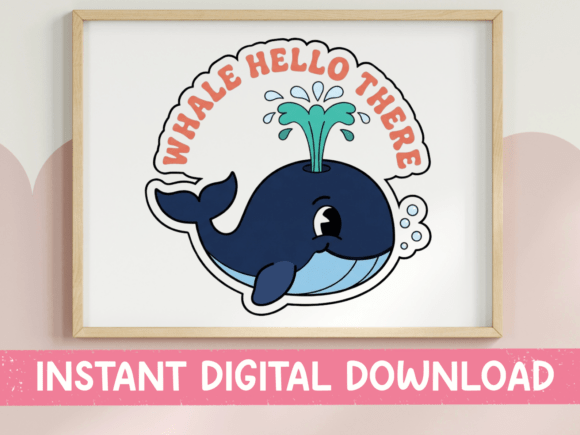
The moment you load this file, the mood is immediately established. It is not trying to be realistic or majestic; it is purely character-driven. The description highlights a navy blue whale with a teal spout, encased in a bubbly circle badge. From a design perspective, this is smart. The circular layout acts as a natural frame, which is incredibly forgiving for embroidery. Unlike complex landscapes or intricate scenes that require precise registration, a badge-style design allows for some minor shifting without ruining the overall composition.
The color palette is the first thing that catches my eye. Navy blue and teal are analogous colors, meaning they sit next to each other on the color wheel. This creates a harmonious, calming effect that works exceptionally well for baby items, nursery decor, and spring-themed collections. However, for an embroiderer, similar tones can sometimes blend together if the stitch direction isn't managed correctly. Fortunately, the "sticker-style" nature of the graphic suggests clean edges and distinct separation between the whale body, the water spout, and the background text, which should help maintain clarity during stitching.
Real-World Application: The Tote Bag Scenario
To truly test this design, I imagine it being used on a custom embroidered tote bag for a local bookstore or a beach boutique. This is a classic use case for T-Shirt Designs and Graphics that have been adapted for fabric. When placing Whale Hello There Cute SVG on canvas or cotton duck cloth, the round badge shape provides a strong focal point. It doesn't get lost in the weave of heavy fabrics like smaller, thinner line art might.
I also see this performing very well on sweatshirt embroidery projects. The chunky, cartoonish lines of the chubby whale translate beautifully onto fleece or french terry. The visual weight of the design matches the texture of the garment. If you were to place this on a cap, however, the curvature of the front panel would need careful consideration. While the round shape helps, tight curves can distort circular designs unless the digitizing is specifically adjusted for 3D puff or curved surface mapping. For flat items like aprons, pillow covers, or kitchen towels, this design sits comfortably in the center chest or lower corner without overwhelming the space.
Technical Performance and Stitch Clarity
When evaluating any machine embroidery design, the devil is always in the details. The phrase "Whale Hello There" inside the badge is critical. Small lettering in embroidery is risky; if the font is too thin or the spacing (kerning) is too tight, the threads will merge into a solid block of color. Assuming the digitizer has given the text enough breathing room, this punny phrase adds a layer of engagement that customers love. It invites interaction, making it perfect for personalized gift scenarios where the recipient enjoys wordplay.
The teal water spout offers a nice opportunity to use a contrasting thread color. If executed well, a satin stitch outline around the spout can make it pop against the navy body. This contrast is vital for embroidery project success because it guides the viewer's eye. Without clear definition, the whale might just look like a dark blob. Proper use of stabilizer is non-negotiable here, especially if you are working with stretchy knits for baby clothes. A tear-away stabilizer underneath and a cut-away backing for heavier garments will ensure the circle remains perfectly round after washing.
Where to Exercise Caution
Not every surface is created equal, and Whale Hello There Cute SVG has limitations. I would advise against using this on highly textured fabrics like bouclé or thick chenille, as the fine details of the bubble badge and the whale's facial features may disappear into the pile. Similarly, on thin, sheer fabrics, the density of the fill stitches required for the navy whale could cause puckering if the underlay stitches aren't robust.
Another area requiring care is small hoop sizes. If you are attempting to digitize this for a tiny accessory, such as a keychain or a miniature patch, you may lose the integrity of the text. The design relies on the balance between the image and the words. Compressing them too much results in a cluttered look that lacks the charm of the original concept. Always check the recommended hoop size in your software before committing to production. If the file does not specify this, err on the side of caution and stick to standard 4x4 or 5x7 inch hoops.
Commercial Viability and Brand Appeal
For the Etsy seller or small shop product creator, this design hits several sweet spots. It is gender-neutral, seasonally flexible (works for summer beach trips or general ocean themes), and universally appealing. The "cute" factor drives sales in the baby embroidery niche, particularly for onesies, burp cloths, and nursery wall hangings. Parents are often looking for items that feel soft, safe, and cheerful, and this design delivers that aesthetic.
In terms of commercial embroidery potential, the design’s simplicity makes it easy to brand. You can easily add a small logo or tagline outside the main circle without cluttering the primary artwork. This versatility increases the perceived value of the handmade product. Customers trust brands that present clean, professional-looking finishes. A well-stitched version of this whale signals attention to detail, which builds long-term customer loyalty.
Final Designer Notes
Before you upload this to your machine, there are a few practical steps to ensure success. First, print a black-and-white mockup of the design. This helps you assess the contrast between the navy whale and the teal spout without the distraction of color. If the shapes merge in grayscale, they will likely struggle in thread form. Second, test the thread colors on your actual fabric. Navy can vary significantly between manufacturers, so ensure your chosen thread stands out appropriately against your base material.
Finally, remember to verify your licensing rights. Whether you are creating a digital embroidery file bundle or selling physical goods, understanding the commercial usage terms is essential. If the license permits resale, this design is a low-risk, high-reward addition to your catalog. It requires minimal fuss to produce but offers maximum appeal to a broad audience. By paying attention to stitch density, stabilizer choice, and fabric compatibility, you can transform this cute graphic into a profitable, professional-grade item that customers will cherish.